There are no items in your cart
Add More
Add More
| Item Details | Price | ||
|---|---|---|---|

Learn the exact strategy used to help a student get into the London School of Economics, from profile building and SOPs to offers and visas.
In September 2025, one of my students began her master’s degree in Policy Making at the London School of Economics (LSE). This blog breaks down, step by step, the exact strategy we followed to make that happen. Getting into a university like LSE is never accidental. It requires clarity, preparation, and a well-structured approach that starts much earlier than most students realize.
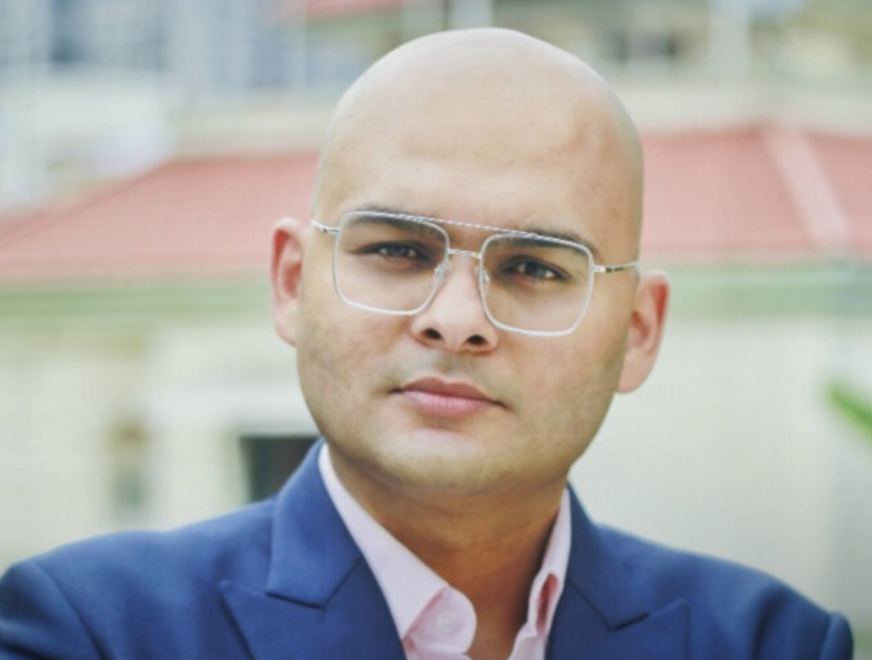
My name is Manil, and I work as a study abroad counselor and mentor. Over the years, I have helped students secure admits to some of the world’s most competitive universities, including LSE, University College London, Warwick, Edinburgh, and others. While the UK is my core specialization, I also support students applying to top universities across the US, Canada, Australia, the UAE, and Europe.
This case study focuses on one student’s journey — Anika — and the strategic decisions that helped her turn a strong academic background into an offer from one of the world’s most selective institutions.
Anika and I first connected after a talk I delivered at her campus at the University of Delhi. She reached out with a clear long-term goal: she wanted to become a policy maker and believed that a master’s degree after her Economics Honors would be the right step. This clarity mattered. Many students choose programs simply because they are trending or because they hear about lucrative career outcomes. When strengths and interests don’t align with the chosen program, students often struggle academically and professionally later. In Anika’s case, her interests, academic background, and career goals aligned naturally, which gave us a solid foundation to build on
Once her career goal was clear, the next step was identifying the right programs. Anika already had LSE in mind, which gave us a strong starting point. From there, we built a structured shortlist using a three-tier approach. First, we identified target universities and programs that closely matched LSE in terms of academic rigor, outcomes, and reputation. These included universities such as University College London and Sciences Po. Next, we added one dream option — Oxford — recognizing that it would be a stretch but worth attempting. Finally, we shortlisted backup options like Edinburgh and King’s College London, which were still strong but slightly more flexible. In total, we finalized seven programs. Not all were ultimately applied to, but having this list allowed us to make informed decisions as offers started coming in.
Before submitting any applications, we focused on strengthening Anika’s profile. This phase is often overlooked, yet it is one of the most important. Universities clearly state the skills and competencies they expect from applicants. Our task was to ensure her CV demonstrated those qualities. Where gaps existed, we worked on addressing them through meaningful internships, academic modules, and credible certifications — not random or low-value credentials. This is also why I strongly advise students to start early. Ideally, students aiming for top universities should begin working on their profiles at least a year before application deadlines. This gives enough time to build substance rather than rushing through superficial additions.
The Statement of Purpose is where most applications are won or lost. In Anika’s case, this stage involved long, detailed working sessions. I do not write SOPs for students. Instead, I guide them through the process of developing their own narrative. Anika drafted the initial version herself after we discussed structure, themes, and key talking points. From there, we refined it together — sharpening arguments, improving clarity, and ensuring that her achievements, motivation, and readiness for policy studies came through clearly. Each university had slightly different requirements, so we created a central SOP and adapted it carefully for each program rather than submitting a generic version.
Once the CV and SOPs were finalized, we moved on to the application stage. Every application was completed carefully, ensuring accuracy in academic details, document uploads, and timelines. Anika had already completed her IELTS preparation earlier, which meant her test scores were ready at the time of application. However, many universities assess applications even without IELTS scores and issue conditional offers if needed, so students can choose to take the test later if timelines require it.
The results were strong. Anika received offers from University College London and London School of Economics. Because of these offers, we did not proceed with applications to Edinburgh or King’s. Sciences Po appreciated her profile but informed us that seats were already filled by the time her application was assessed. Oxford’s response was particularly noteworthy. While they did not offer immediate admission, they expressed strong interest in her profile and encouraged her to gain additional work experience and reapply — an outcome far more positive than a standard rejection. This feedback confirmed that her profile was competitive even at the highest level.
Beyond Admission: Visa, Arrival, and Career Guidance
Once Anika accepted her LSE offer, we moved into the visa application phase. My mentorship does not stop at admissions. I support students through visas, accommodation guidance, and even post-arrival planning when needed. After Anika arrived in the UK and began her course, our work continued. I guided her through internship application strategies and career planning — not by applying on her behalf, but by helping her understand how recruitment works in the UK and how to position herself effectively. Having studied in the UK myself, I understand the challenges international students face once they arrive. That experience allows me to provide practical, realistic guidance beyond admissions.
Anika’s journey highlights a few critical lessons. Getting into a top university like LSE requires far more than good grades. It demands early planning, honest self-assessment, targeted profile building, and carefully written applications. Most importantly, it requires starting early. For students planning to pursue a master’s degree abroad, especially at elite universities, last-minute preparation is one of the biggest risks. The earlier you start, the more control you have over your profile, your choices, and your outcomes.
Helping Anika secure her place at LSE was not about shortcuts or luck. It was about strategy, structure, and sustained effort over time. Today, she is not just studying at one of the world’s top universities — she is also building the foundation for a long-term career in policy making. If you are planning to study abroad and want a guided, end-to-end approach — from profile building to admissions and beyond — starting early can make all the difference.
Choosing the right course can be overwhelming — and that’s totally normal. What matters most is aligning your education with your skills, interests, and career vision. It’s not just about ROI; it’s about relevance and long-term opportunity.
I’ve helped dozens of students navigate this exact journey — from picking the right university to acing IELTS, crafting SOPs, and landing admission into top-ranked schools. If you need that kind of personalized support, I’m just one message away.
Need help making the leap?
Manil Agarwal